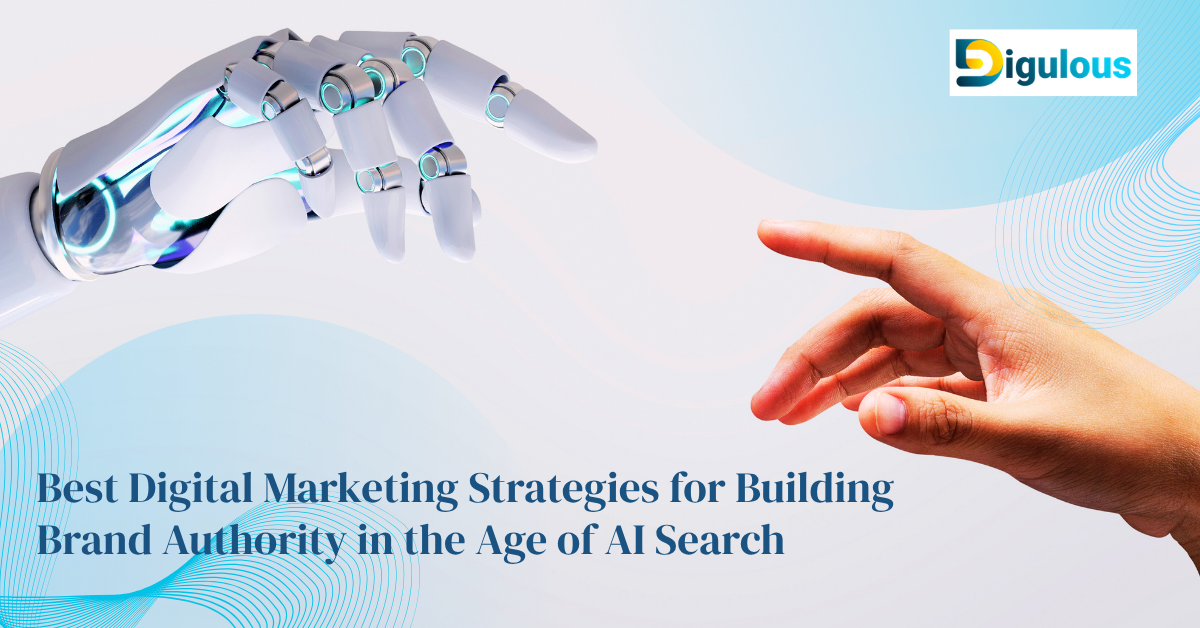
As AI-powered search reshapes how people discover information, brand authority has become one of the most valuable assets a company can build. AI systems do not just rank pages, they evaluate whether a brand is credible enough to recommend. That shift changes what an effective digital marketing strategy looks like in 2026.
Authority can no longer be manufactured through volume alone. It has to be earned across multiple signals at once: the quality of the content itself, how consistently a brand shows up across the web, and how clearly a site communicates trustworthiness to both human readers and AI crawlers. Below are the approaches that matter most for brands looking to build lasting authority in an AI-driven search landscape.
Build Content Around Genuine Expertise, Not Just Keywords
AI models are trained to recognize depth and originality. Content that recycles generic advice or exists purely to target a keyword is easy for AI systems to deprioritize in favor of more authoritative sources. A stronger approach is producing expert-driven content articles, guides, and case studies written or reviewed by people with real experience in the subject. Original research, proprietary data, and first-hand insights are especially valuable, since they cannot be found anywhere else and give AI systems a clear reason to cite a brand specifically. Even repurposing internal expertise, such as insights from a sales or support team, into published content can surface angles that generic, widely duplicated articles simply do not cover.
Invest in Digital PR and Third-Party Mentions
Because AI systems weigh how often a brand is mentioned across independent sources, digital PR has become a core pillar of building authority rather than a side activity. Earning coverage on industry publications, contributing expert commentary to journalists, and securing mentions on respected third-party sites all strengthen the pattern of trust signals that AI models look for. A brand that appears consistently across multiple credible sources builds a stronger case for being included in AI-generated answers than one relying solely on its own website. Ongoing relationship-building with journalists and industry publications tends to outperform one-off press releases, since repeated, organic mentions accumulate into a far stronger trust pattern over time.
Strengthen E-E-A-T Across Every Page
E-E-A-T Experience, Expertise, Authoritativeness, and Trustworthiness should guide every piece of published content, not just cornerstone pages. Practical steps include listing author bios with relevant credentials, citing credible sources, keeping information current, and being transparent about who is behind the brand. These signals help both traditional search engines and AI models assess whether content is coming from a source worth trusting and repeating. Auditing older content for outdated statistics, broken citations, or missing author information is a simple, high-impact way to strengthen E-E-A-T across an entire site without producing a single new article.
Optimize for Answer Engine Optimization (AEO)
Answer Engine Optimization (AEO) focuses on structuring content so AI systems can extract clear, accurate answers. This means leading with direct responses to common questions, using descriptive subheadings, and organizing information in scannable formats such as numbered lists and comparison tables. Content written this way is easier for AI models to parse and quote correctly, increasing the likelihood of accurate representation in generated responses. Writing a concise, direct answer in the first sentence or two beneath a heading, then expanding with supporting detail, tends to perform especially well, since it gives AI systems an easy summary to extract without stripping out important context.
Prioritize Structured Data and Technical Foundations
No amount of great content can overcome a technical foundation that AI crawlers cannot properly read. Implementing thorough schema markup, maintaining fast page speed, ensuring mobile accessibility, and keeping site architecture clean all directly affect how well AI systems can interpret and trust a brand’s content. Technical SEO and AI readiness now go hand in hand rather than being treated as separate workstreams. A clean, logical internal linking structure also matters, since it helps AI crawlers understand how pieces of content relate to one another and reinforces the overall depth of a brand’s topical coverage.
Lean Into User-Generated Content and Social Proof
AI systems increasingly draw on genuine user reviews, forum discussions, and community conversations to gauge how real customers feel about a brand. Encouraging authentic reviews, engaging in relevant industry forums, and maintaining an active presence on platforms where AI models source information including Reddit and LinkedIn helps build the kind of organic social proof that AI systems treat as a trust signal. This kind of user-generated content is difficult to fabricate at scale, which makes it especially valuable for authority-building. Responding thoughtfully to reviews and community questions, rather than only collecting them, further reinforces that a brand is actively engaged and responsive, not just passively accumulating ratings.
Track Visibility Beyond Traditional Rankings
Measuring success by keyword rank alone no longer tells the full story. Brands need to track AI visibility how often and how accurately they are mentioned inside AI-generated answers across platforms like AI Overviews and conversational assistants. Shifting key performance indicators toward citation frequency, brand mention sentiment, and qualified engagement gives a far more accurate picture of authority than click volume alone. Regularly testing common industry questions across different AI assistants and recording whether, and how, a brand is mentioned is a simple but effective way to monitor progress over time.
Final Thoughts
Building brand authority in the age of AI search is less about chasing algorithm updates and more about becoming a genuinely trustworthy, well-referenced source of information. Brands that combine expert content, strong technical foundations, and consistent third-party validation are the ones most likely to be recommended when AI systems decide who deserves the customer’s trust.
None of these strategies work well in isolation. The strongest results come from treating content quality, technical readiness, and off-site reputation as one connected system rather than separate initiatives run by different teams. Brands that invest in that integration now are building a form of authority that will keep compounding as AI search continues to grow in influence.