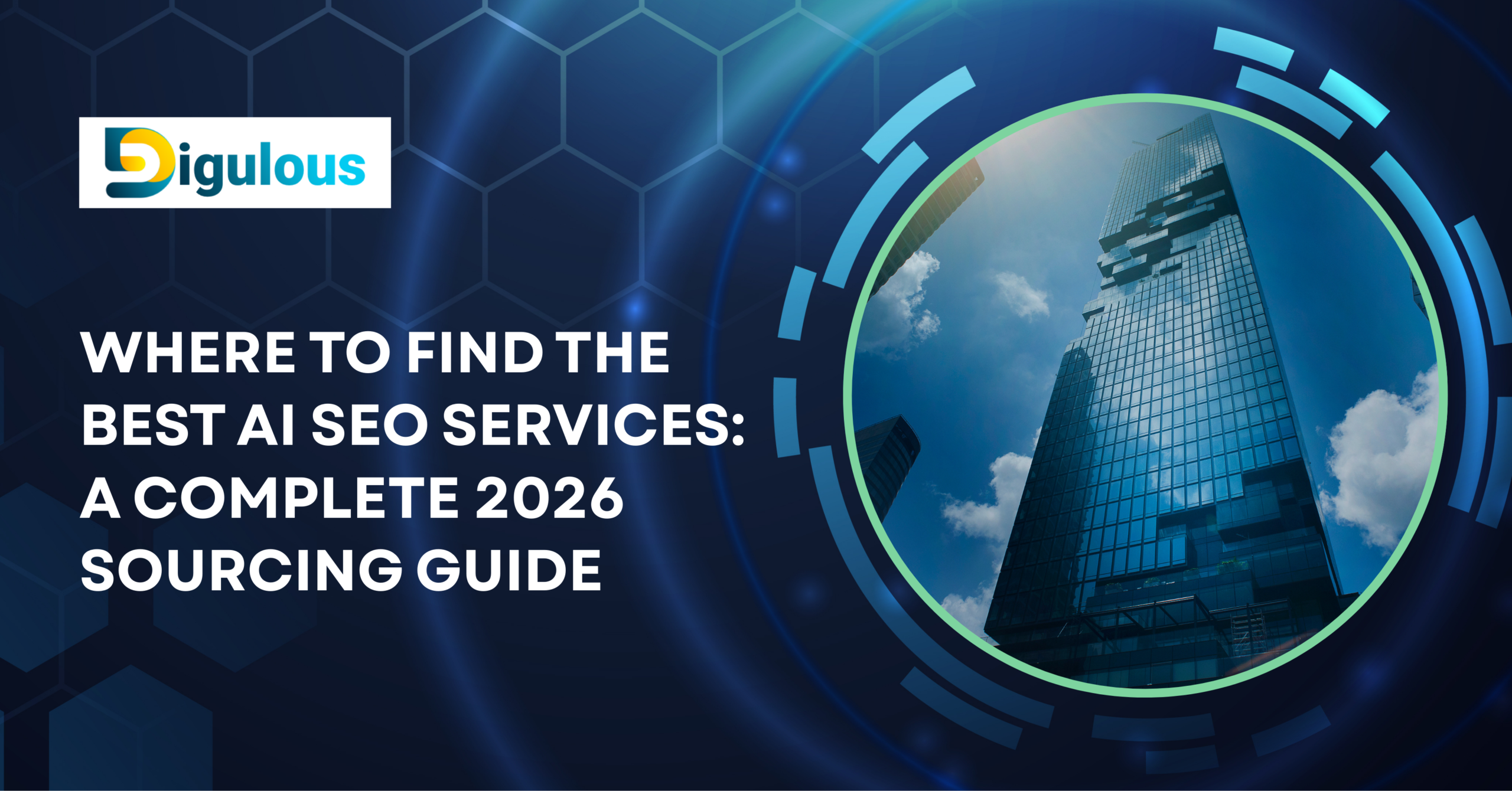
If you have spent any time searching for an AI SEO agency recently, you will have noticed the same thing: every provider now claims to offer AI-powered SEO. The language is everywhere. The substance behind it is considerably less consistent.
Some agencies have genuinely rebuilt their strategies around how AI search works in 2026. Others have updated their service pages with fresh terminology while continuing to deliver what they were doing three years ago. For anyone trying to make a serious, well-informed decision about where to invest, that gap makes the market frustrating to navigate.
This guide is designed to cut through the noise. It covers what AI SEO genuinely involves, where to look for providers, how to evaluate them with confidence, and which warning signs should end a conversation before it goes further.
First: Understand What AI SEO Actually Requires
Before you evaluate any provider, it is worth being clear on what a complete AI SEO strategy actually encompasses in 2026. The term is used to describe several different activities, and not all agencies cover all of them.
Traditional SEO: The Foundation That Cannot Be Skipped
Keyword research, on-page optimisation, technical audits, site speed, mobile performance, and link building are not legacy concerns. They remain the infrastructure that every other layer of search visibility is built upon. AI systems preferentially cite content from brands that already carry strong technical foundations and domain authority. Therefore, any provider who dismisses foundational SEO in favour of purely AI-facing tactics is, frankly, missing the most important part.
If you want a clear picture of what comprehensive SEO involves and why each element matters, Digulous’s SEO services page is a useful reference point.
Generative Engine Optimisation: The Layer That Matters for AI Citations
Above the traditional foundation sits what is now widely referred to as Generative Engine Optimisation, or GEO. This is the practice of structuring your content and digital presence so that AI-powered platforms, including ChatGPT, Google AI Overviews, Perplexity, and Copilot, can accurately retrieve and cite your brand in their generated responses.
GEO involves structured data implementation, entity clarity, question-structured content, and consistent off-site credibility signals. It is a distinct discipline from geotargeting, which is the older definition of the same acronym. Digulous has covered the difference between SEO, GEO, and AEO in a dedicated blog if you want the full comparison.
Content and Off-Site Authority: The Connecting Thread
Neither technical SEO nor GEO performs well without quality content and an authoritative off-site presence. The strongest AI SEO providers treat content strategy, search optimisation, and link building as one integrated system rather than three separate workstreams. When they are siloed, the results reflect that.
Where Businesses Look for AI SEO Services Providers
Most businesses use one of four sourcing channels, each with its own advantages and limitations.
Agency Listings and Roundup Articles
Review platforms and “best of” lists are a reasonable starting point for building an initial longlist. However, rankings on many of these sites are influenced by advertising spend and submission fees rather than verified performance. Use them for discovery, not as a shortcut to a final decision. An agency that ranks highly on a listing site has not necessarily demonstrated any competence in AI search.
Peer Referrals
Referrals from trusted contacts remain one of the most reliable sourcing methods available. When asking for recommendations, be specific: ask whether the referring business saw improvements in AI search visibility specifically, not just traditional rankings. In 2026, those are two measurably different outcomes, and the distinction matters.
Searching AI Assistants Directly
This is one of the most practical self-qualifying tests available to any buyer. Open Perplexity or ChatGPT and search your service category, your location, and your industry. Look at which agencies appear in the response. An SEO agency that shows up in AI-generated answers about their own field has demonstrated GEO competence in the most credible way possible: by achieving for themselves what they promise to achieve for clients.
The Agency’s Own Published Content
A provider’s blog and resource library reveal more about their knowledge than any sales deck. Agencies publishing detailed, current content on topics such as schema implementation, entity optimisation, E-E-A-T signals, and AI citation mechanics are demonstrating genuine familiarity with the discipline. Those still publishing generic “Top 10 SEO Tips” articles in 2026 are showing you exactly where their thinking stopped evolving.
Six Criteria That Separate Genuine Providers From the Rest
1. They Can Explain Their GEO Strategy in Specific Terms
Ask any agency you are seriously considering to walk you through how they would improve your brand’s citation frequency in ChatGPT or Perplexity. A provider who truly understands AI search will give you a detailed, structured answer covering entity clarity, content architecture, schema types, and off-site credibility. Vague references to “AI-powered tools” without any methodological substance should end the conversation.
2. They Integrate Content and SEO Rather Than Separating Them
When AI SEO is treated as a standalone service bolted onto existing SEO, visibility tends to be shallow and short-lived. The providers delivering consistent results are those who build content strategy and search optimisation as a single, coherent system. A good indicator of this approach is whether the agency discusses editorial calendars and topical authority in the same breath as technical audits. Digulous has written about how content, SEO, and design work together as interconnected disciplines, which reflects the kind of integrated thinking worth looking for.
3. They Prioritise Human-Led, E-E-A-T-Focused Content
AI systems are increasingly good at identifying whether content reflects genuine expertise and lived experience, or whether it has been mass-produced without meaningful editorial input. Providers who rely heavily on bulk AI-generated content without strong human oversight are actively working against the trust signals that drive AI citation. Ask any shortlisted agency directly: how is their content produced, who reviews it, and how is authorial credibility signalled to search engines.
4. Their Link-Building Approach Is Editorial, Not Transactional
Domain authority, built through quality backlinks from relevant, reputable platforms, is one of the most durable signals in AI search. Providers using white-hat editorial placements, genuine outreach, and strategic guest content on authoritative sites are building lasting authority. Those offering bulk link packages or guaranteed placements without editorial scrutiny are creating short-term gains and long-term risk.
5. They Have Case Studies That Reflect AI Visibility, Not Just Traffic
Generic traffic growth figures are not sufficient evidence of AI SEO competence in 2026. Ask specifically for examples of improved citation frequency in AI Overviews, increased brand mentions in AI-generated responses, or schema-driven improvements in featured snippets. Providers who can demonstrate these outcomes with data have earned the right to discuss strategy with you. Those who cannot are operating on assumptions.
6. Their Reporting Tracks AI Visibility Metrics
Providers still reporting purely on keyword positions are measuring an incomplete picture of modern search performance. Ask how they track citation frequency across AI platforms, how they measure share of AI-generated responses in your category, and how they distinguish between traditional organic traffic and AI-referred traffic. Agencies who have built these measurement capabilities into their reporting have invested seriously in understanding the new landscape.
Red Flags That Should End the Conversation
A few signals should give you pause regardless of how polished the pitch is.
• Guaranteed rankings or guaranteed AI citations. No reputable agency makes these promises, because no agency controls search engine or AI platform algorithms.
• Content calendars built almost entirely around broad informational posts with no specialist depth. This signals an agency that has not updated its content strategy to reflect how AI search selects sources.
• No mention of technical SEO, schema markup, or E-E-A-T in their proposal. These are not optional components in 2026.
• AI-generated content at volume with no editorial oversight or named authorship. This approach actively undermines the trust signals that AI citation requires.
• An inability to describe how they would establish your current AI visibility baseline before beginning any work. Strategy without measurement is guesswork.
What a Good AI SEO Engagement Looks Like Month by Month
Making this concrete helps you recognise genuine delivery when you see it, and identify when an engagement is underperforming.
In the first month, a strong provider will conduct a technical audit, establish your AI visibility baseline across ChatGPT, Perplexity, and Google AI Overviews, review your schema implementation, and map your keyword and entity landscape. This diagnostic phase is what makes the subsequent strategy credible.
Between months two and three, the focus shifts to on-page improvements, content restructuring for AI extractability, initial backlink outreach, and schema deployment across key pages. You should begin to see early shifts in how your brand is described or referenced in AI responses during this period.
From month three through to month six, topical authority building, guest content placement, and systematic content refreshes become the primary activity. Citation frequency in AI platforms typically compounds during this phase as your brand’s credibility signals accumulate across the web.
Subsequently, ongoing reporting should track both traditional keyword rankings and AI visibility metrics in parallel, with regular content updates to maintain recency signals and preserve citation frequency as platforms update their models.
What Digulous Brings to This
At Digulous, we approach AI SEO as a unified discipline, not a set of separate services that happen to share a proposal. For every client, that means starting from an honest audit of where traditional SEO and AI visibility currently stand, and building a strategy that addresses both layers with equal rigour.
Our work covers keyword research and competitive analysis, on-page and technical SEO, schema implementation across priority page types, content structured for both human readers and AI extractability, E-E-A-T signals embedded throughout every piece of content we create, and off-site authority building through editorial guest content placements on relevant, reputable platforms.
We do not offer one-size-fits-all packages, because the SEO priorities of a specialist services brand are genuinely different from those of an e-commerce store or a regional business. Every strategy begins with the specifics of your situation, your market, your competitors, and your goals. If you want to understand where your current AI search visibility stands and what a focused strategy would involve, get in touch with the Digulous team. No generic proposals, no inflated timelines. Just a clear, honest starting point.
Final Thoughts
Finding the best AI SEO services in 2026 is not about identifying the agency with the most impressive technology stack or the most confident pitch. It is about finding a partner who understands that traditional search visibility and AI citation are two layers of the same challenge, can demonstrate that understanding in their own work, and builds strategies that address both with genuine depth.
The criteria in this guide are not complicated. But applying them consistently will save you considerable time, money, and disappointment. The right provider is out there. You now know exactly what to look for.
Frequently Asked Questions
What is the difference between traditional SEO and AI SEO?
Traditional SEO focuses on improving your website’s visibility in standard search engine results pages through keyword optimisation, technical improvements, and link building. AI SEO extends this to include optimising for visibility in AI-generated answers from platforms such as ChatGPT, Google AI Overviews, and Perplexity. The two are complementary: a strong technical and content foundation is the prerequisite for AI search visibility, and both need to be actively maintained.
How much do AI SEO Services typically cost in 2026?
Pricing varies considerably based on the scope of work, the competitive intensity of the industry, and the size of the website. Most reputable agencies offer an initial audit or strategy consultation before committing to a monthly retainer. Be cautious of very low-cost packages: AI SEO requires substantive technical and content investment, and services priced well below market rate tend to reflect that in their delivery.
How do I verify that an AI SEO agency actually knows what it is doing?
Search your category and your service keywords directly in ChatGPT or Perplexity. Note which agencies appear in the response. Ask any shortlisted provider for case studies specific to AI search visibility, not just traditional organic traffic. Ask them to describe how they would audit your current AI visibility baseline. The quality and specificity of their answers will tell you considerably more than any service brochure.
How long does it take to see results from AI SEO Services?
Early changes in how your brand is described in AI-generated responses can emerge within four to eight weeks of focused optimisation. Consistent citation during research and evaluation-stage queries typically builds over three to six months as authority and entity signals accumulate. Like traditional SEO, the results compound over time rather than delivering immediate returns, which is why sustained commitment to the strategy matters.
Can smaller businesses benefit meaningfully from AI SEO Services?
Yes, often more than they expect. Smaller brands with genuine expertise in a specific niche can outperform larger, more resource-heavy competitors in AI citations, because AI systems favour authoritative, specific, well-structured content over broad, generic material. A focused strategy built around deep subject matter credibility, precise question-answering content, and consistent off-site mentions can place a smaller brand alongside much larger competitors in AI-generated responses.
What should a quality AI SEO Service include as a minimum?
At minimum: a technical SEO audit covering site speed, mobile performance, crawl health, and schema implementation; keyword research and competitive analysis; on-page optimisation across key pages; a content strategy that builds topical authority; white-hat link building or editorial guest content placement; and reporting that tracks both traditional rankings and AI citation frequency. Any service that omits technical foundations or measures success solely through keyword position is not complete.